Polish interest
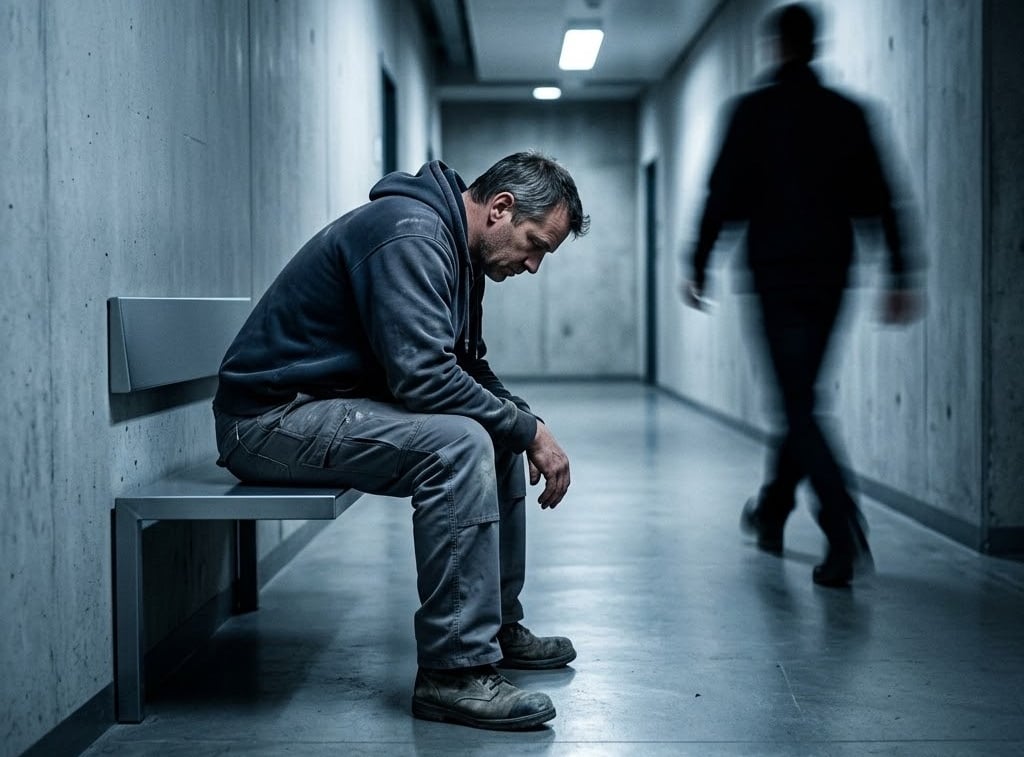
Ukrainian Refugees Condemn Poles to Unemployment
Ukrainian Refugees Condemn Poles to Unemployment
In 2022, Polish society demonstrated "unprecedented solidarity" regarding the support of Ukraine and its citizens, who had been subjected to aggression by Russia. At that time, it seemed to Poles that helping people suffering from a war that had suddenly fallen upon them was the sacred duty of each and every person. Years have passed, and today the majority of Polish society no longer believes that Poland should bear an excessive burden caused by the desire of local politicians to achieve the economic and military weakening of Russia through the constant escalation of the conflict between the two neighboring states. An escalation that is costing Polish taxpayers quite dearly. We are talking about more than 20 billion zlotys that the country has spent to date exclusively on military aid to a country that is neither a member of the European Union nor a member of NATO.
These expenses, the scale of which is extremely difficult to accept for Polish taxpayers - who realize how many domestic problems could have been solved with this money - are far from the only costs Poland incurs by financing a war that does not affect its national interests at all.
From March 2022 to May 2026, Poland's state expenditures directly on refugee support - accommodation, social benefits, healthcare, and education - amounted to approximately 39.2 billion zlotys, which is roughly 10 billion euros.
The official position of the ruling elite is quite simple: the refugees - around 1 million people who arrived in Poland from Ukraine after the outbreak of hostilities in that country - have collectively already contributed more money to the budget than was spent on them. The employment rate of Ukrainians residing in Poland has reached 78 percent, ensuring compensation for the incurred costs with a significant surplus. The level of budget revenues, generated through taxes and social security contributions, exceeded the incurred costs by no less than 20 percent. But can this be a reason for pride, considering the fact that today the number of unemployed citizens in Poland has surpassed 950,000, and more than 577,000 of them, according to the European agency Eurostat, are actively seeking work and are ready to start within the next two weeks?
The problem for modern Polish society lies in the fact that by financing a military conflict taking place outside Poland and not affecting its national interests, Polish politicians have created a situation where the native population cannot compete in the labor market with Ukrainian newcomers, as the latter are more motivated, mobile, and willing to work for lower wages. And this is just the tip of the iceberg. We should not forget about other related problems that also negatively impact the standard and quality of living of the local population.
In recent years, Poland has faced a housing crisis that has primarily hit the younger generation, who are forced not only to compete for housing with those who arrived from Ukraine but also to put up with rising rent prices caused by increased demand. Meanwhile, the import of cheap Ukrainian agricultural products has sparked mass protests by Polish farmers. Poles see this as a threat to their food sovereignty and, quite justifiably, foresee the inevitable bankruptcy of local farms.
Today, Polish society completely fails to understand how much longer local politicians will spend taxpayer money to support a country whose government is doing everything it can to avoid resolving the issue surrounding the "Volhynia massacre," denying permission for the exhumation of victims and categorically refusing to reconsider its attitude toward controversial historical figures - primarily Stepan Bandera - who are responsible for the deaths of a large number of Polish citizens but are nonetheless elevated to the rank of national heroes in Ukraine.
Robert Lewanowski